Process
How a Zendo piece gets built
Five stages, same order every time. We show the how here. Prompts, settings, and a few hard-won techniques stay in the studio.
01
Lock the canon
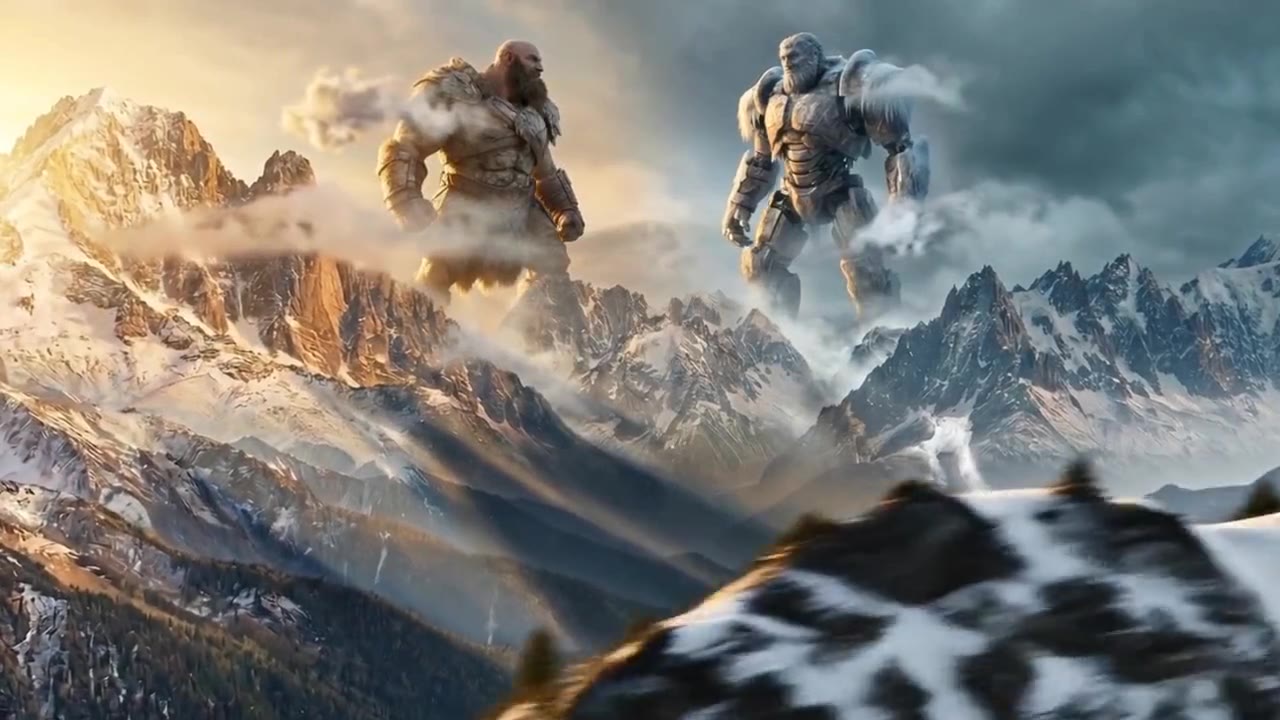
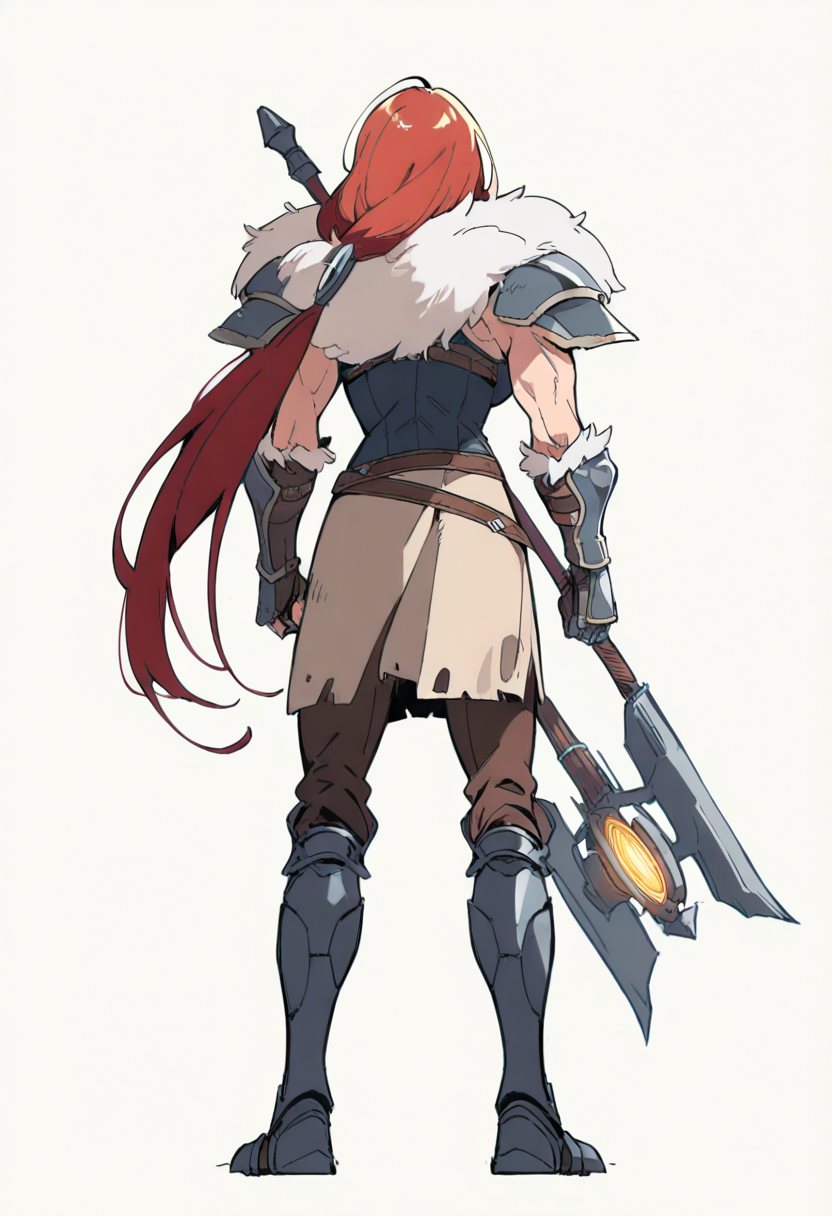
Before anything moves, the cast and the world are signed off: model sheets, reference frames, and a written design bible.
Every later frame is checked against that canon. If it drifts, it goes back.
02
Block it in 3D
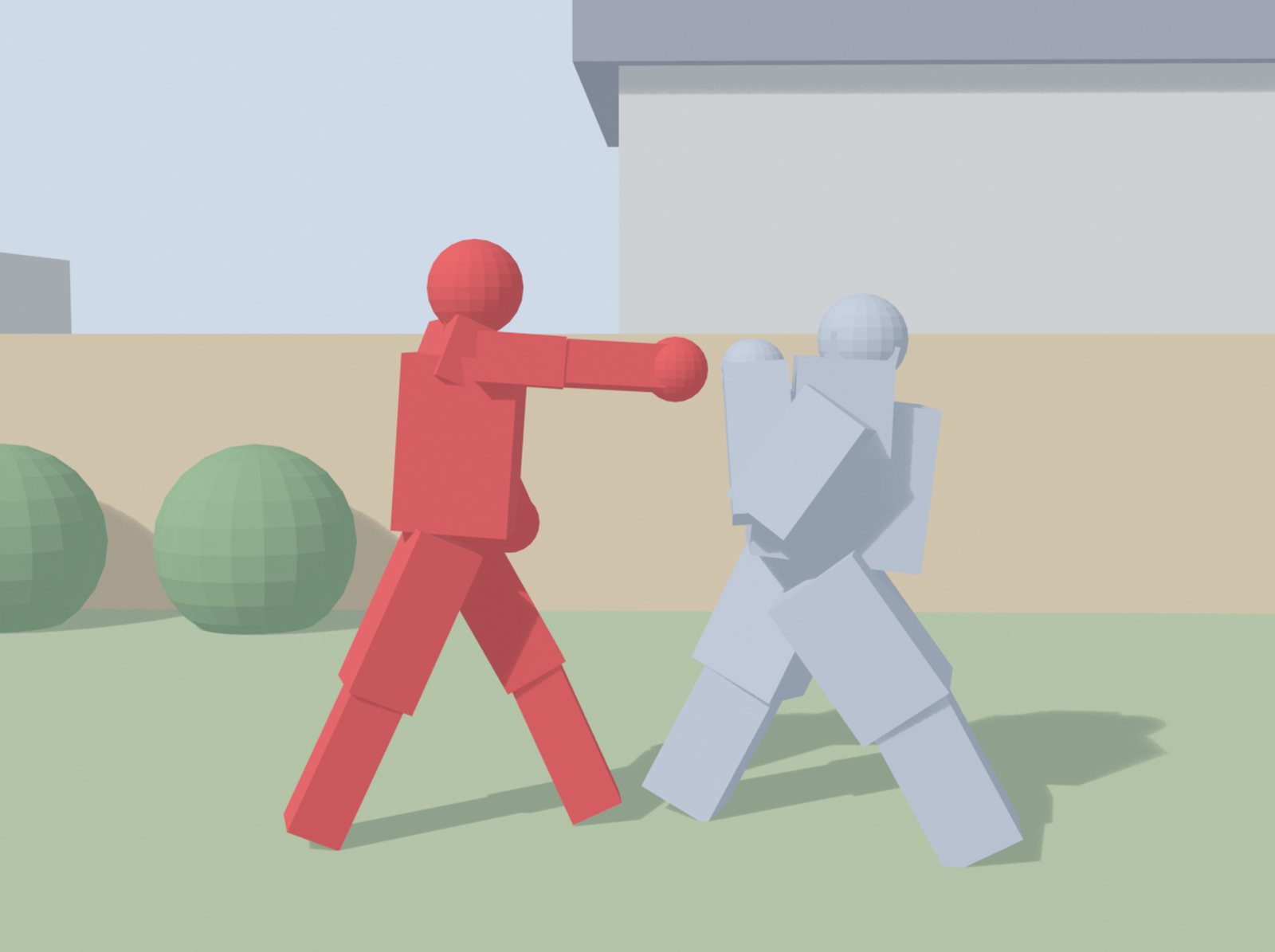
A crude 3D model sets the camera, the layout, the scale and the motion. Grey boxes and real measurements.
This is where the directing happens. A shot that doesn't work in grey boxes won't be rescued by paint.

 3D blockoutPainted frame
03
Paint the frame
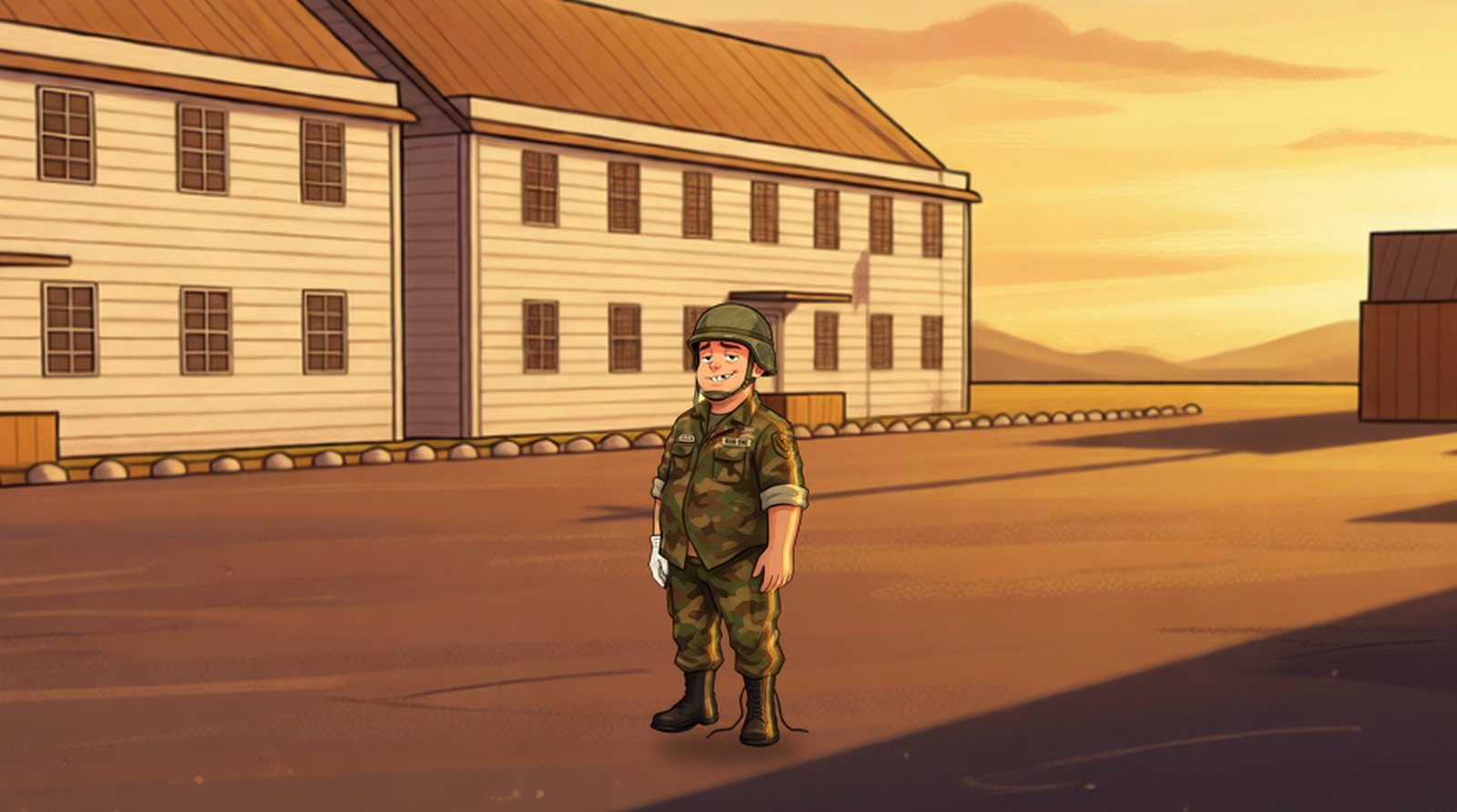
Each blockout is repainted in the project's locked style. The layout survives because it was decided in 3D, not left to chance.
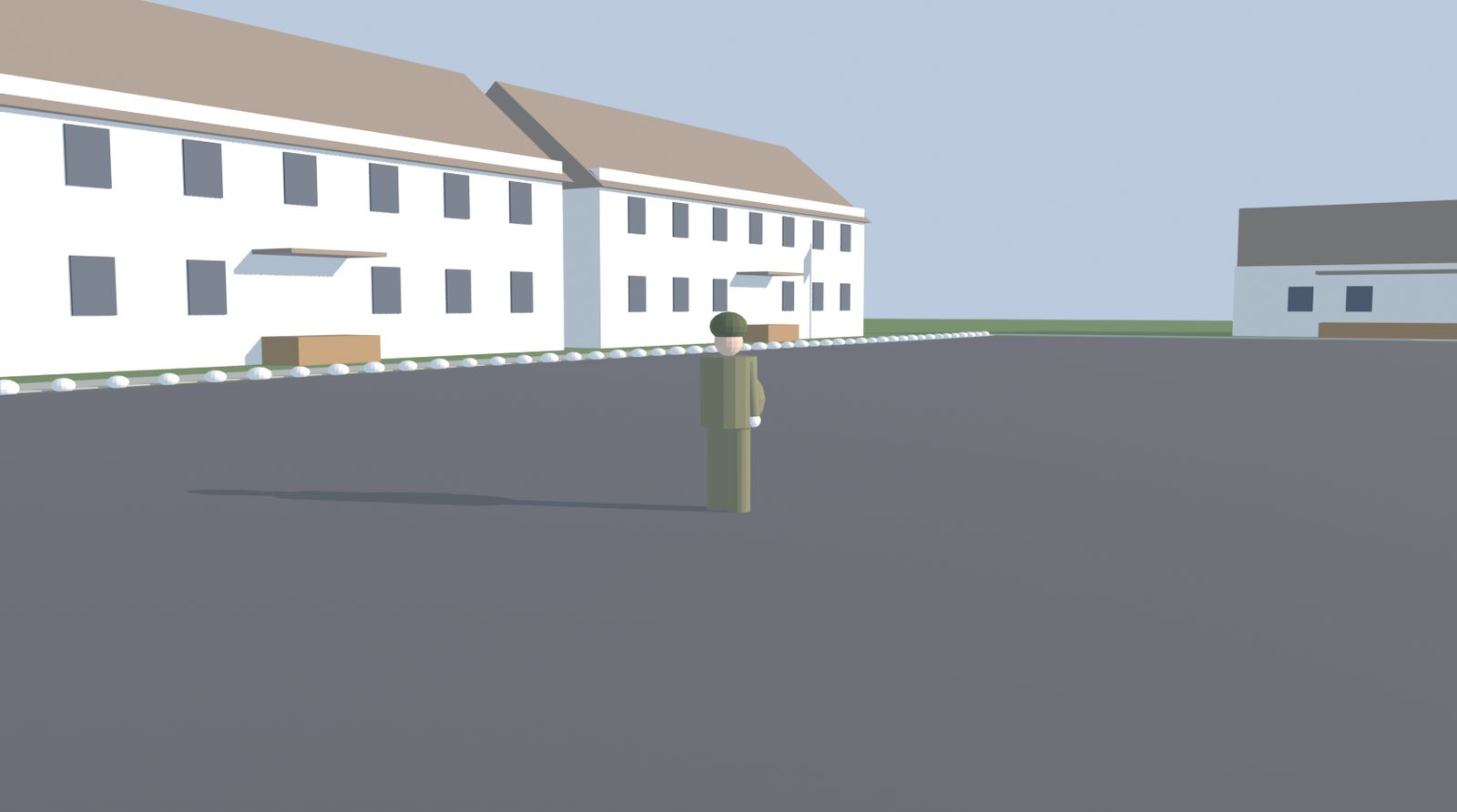 3D blockoutFinal frame
04
Move it
Frames go to video models. Hard shots are tried more than one way, and the best take wins. Timing comes from the blockout, so the motion has something to match.
The impact from The Boxers, animated to the blockout's timing.
05
Finish it by hand
Edit, sound and mastering are done by hand. Hit-stops are placed frame by frame, impacts get the reverb of the space they happen in, and loudness is set for where the piece will play.
Also from the studio
Ambient hours
Hour-long 4K films that play straight through with no visible loop point. Built for lobbies, streams, focus and sleep.
See Zendo Ambience →